Electric Cooker Wiring Regulations London: 7 Best Safety Rules
Electric cooker wiring regulations standards are vital to understand before attempting any kitchen appliance installation in Greater London. Imagine receiving delivery of a brand-new, high-power range cooker for your kitchen.
You unpack the sleek stainless steel appliance, eager to test out the burners and oven compartments, only to realize that connecting it is far more complex than simply plugging it into a standard 13-amp wall socket.
Across Greater London, navigating kitchen electrical setups requires strict adherence to British safety standards. Whether you live in a converted Victorian terrace in Islington or a modern high-rise apartment in Canary Wharf, electrical loads must be calculated carefully to prevent overloads and fire hazards.
In this comprehensive guide, we will explore everything you need to know about professional electric cooker wiring regulations, circuit breakers, Part P building compliance, and why hiring a qualified professional is always the safest choice.
Table of Contents
- Why Electric Cooker Wiring Regulations Matter in London
- Understanding UK Electrical Standards and Part P Compliance
- Can You Legally Connect Your Own Electric Cooker?
- Circuit Requirements: Amperage, Cabling, and Cooker Control Units
- Common Wiring Mistakes and DIY Safety Hazards
- Seamless Home Upgrades: Bundling Your Kitchen and Handyman Services
- Navigating London’s Older Properties and Outdated Fuse Boards
- The Critical Importance of Part P Compliance and Certification
- Understanding Heat-Resistant Cabling and High-Amperage Requirements
- Insured Installations vs. DIY Electrical Risks in London
- The Role of Professional Testing and Certification in Domestic Kitchens
- Conclusion: Secure Your Kitchen and Ensure Total Electrical Safety
- Frequently Asked Questions
Why Electric Cooker Wiring Regulations Matter in London
London properties feature diverse electrical infrastructures. Older townhouses often retain outdated wiring circuits that struggle to handle the high electrical demand of modern induction hobs and double ovens, while newer builds incorporate dedicated high-capacity radial circuits.
When you enlist a professional electrical fitting service, you ensure compliance with official electric cooker wiring regulations. Certified installers inspect your fuse box, test current load tolerances, and verify that your cooker switch and cable thickness meet strict UK safety codes, eliminating the risk of electrical shorts or tripped breakers.
Understanding UK Electrical Standards and Part P Compliance
Under UK Building Regulations (specifically Part P in England and Wales), electrical work in kitchens is categorized as high-risk. This means any new circuit installation or significant modification must comply with BS 7671 (IET Wiring Regulations).
Attempting to bypass these standards during an electric cooker wiring regulations setup can invalidate your household insurance policy and create severe safety hazards. Professional electricians and certified handymen ensure that every connection is tested, certified, and fully compliant with legal safety frameworks.
Seamless Home Upgrades: Bundling Your Kitchen Services
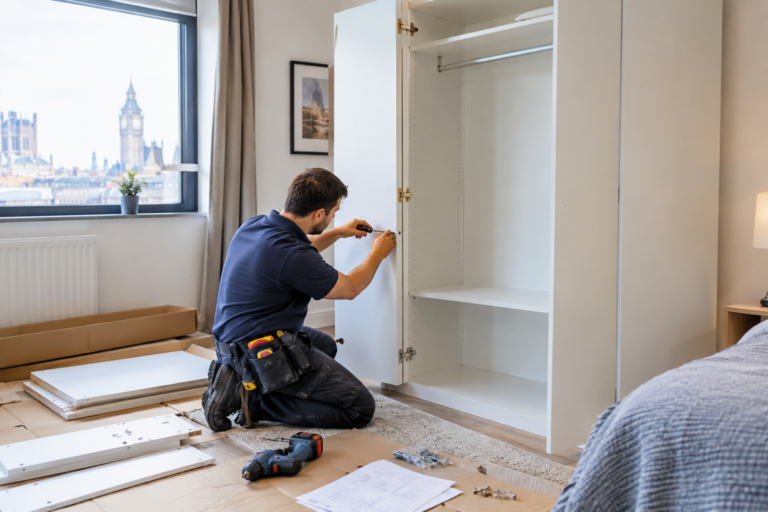
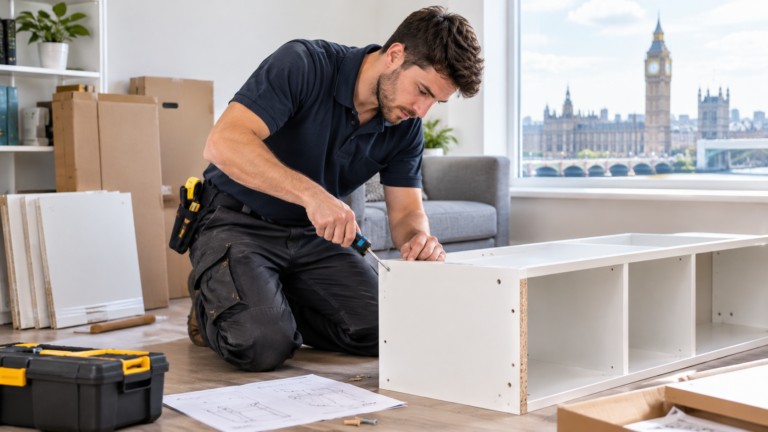
When you invite a skilled property maintenance team into your home, you aren’t just paying for an electrical connection—you are investing in total kitchen efficiency. Because multi-skilled tradesmen carry comprehensive toolkits, you can easily bundle your appliance installation with other essential household tasks.
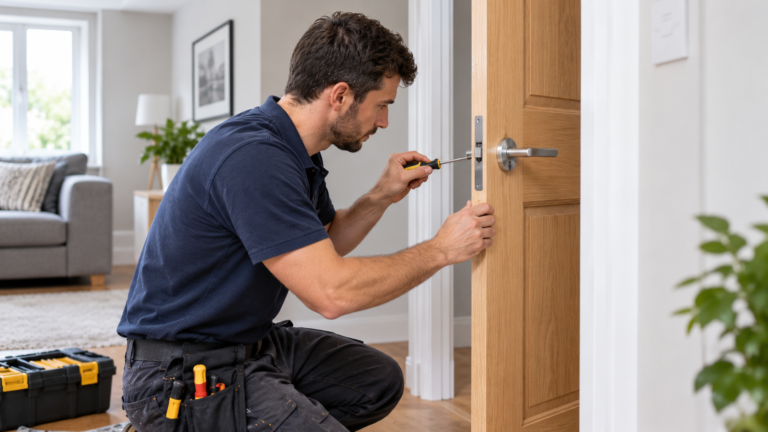
Whether you need surrounding cabinetry adjusted (furniture assembly), a sticking kitchen door fixed (interior-door-repair-london/), or a fresh coat of wipeable paint (painting and decorating) to update your cooking space, knocking out multiple improvements in one visit saves time and minimizes call-out fees.
Can You Legally Connect Your Own Electric Cooker?
A common question among homeowners is whether it is legal to wire a cooker independently. While UK law does not strictly prohibit a competent individual from connecting an appliance to an existing dedicated cooker outlet, doing so incorrectly shifts all legal and financial liability onto you if an electrical fire or appliance failure occurs.
Furthermore, if your kitchen requires a brand-new circuit run from the consumer unit (fuse box), current electric cooker wiring regulations mandate that the work must be certified by a registered competent person to remain legally compliant.
Circuit Requirements: Amperage, Cabling, and Cooker Control Units
Electric cookers draw significant amounts of power—often between 6mm and 10mm twin-and-earth cables connected to a dedicated 32-amp or 45-amp miniature circuit breaker (MCB) in the fuse board.
A compliant electric cooker wiring regulations setup requires:
- Dedicated Cooker Control Unit: A double-pole isolation switch positioned safely away from the hob splashing zone for emergency shut-off.
- Heat-Resistant Cabling: Using heavy-duty insulated cables capable of enduring high ambient kitchen temperatures behind built-in oven housings.
- Residual Current Device (RCD) Protection: Ensuring the circuit features sensitive earth leakage protection to prevent electric shocks.
Common Wiring Mistakes and DIY Safety Hazards
Amateur cooker installations frequently involve dangerous shortcuts, such as connecting high-load appliances to standard ring mains or using undersized wires that overheat under sustained loads.
By adhering strictly to professional electric cooker wiring regulations, certified installers prevent loose terminal connections, melted wire insulation, and catastrophic short circuits. Protecting your household from electrical hazards always outweighs the short-term savings of a DIY attempt.
Navigating London’s Older Properties and Outdated Fuse Boards
London is renowned for its architectural heritage, featuring grand Victorian and Georgian terraced houses across boroughs like Islington, Camden, and Westminster. While these historic properties exude timeless charm, their underlying electrical systems often present hidden dangers.
Many older homes still retain vintage fuse boxes wired with outdated ceramic fuses or deteriorated rubber insulation that cannot safely handle the high electrical loads demanded by modern dual-fuel ranges and induction cookers.
When scheduling an upgrade, a certified professional meticulously inspects your consumer unit to ensure your electrical setup aligns seamlessly with current electric cooker wiring regulations.
Ignoring these archaic infrastructure issues can lead to persistent circuit tripping, overheating wires, and severe fire hazards, making a thorough professional safety assessment an absolute necessity for every London homeowner.
The Critical Importance of Part P Compliance and Certification
Under UK building regulations, electrical installations in high-risk zones like kitchens must strictly adhere to Part P safety standards. Many DIY enthusiasts mistakenly believe they can connect high-power appliances without formal testing or verification.
However, if an electrical fault triggers a fire or appliance failure, uncertified work can instantly void your home insurance policy and leave you legally liable. Professional electricians and qualified handymen utilize specialized calibration equipment to perform earth loop impedance tests, insulation resistance checks, and polarity verifications.
By securing an official electrical safety certificate, you guarantee that your kitchen upgrade complies fully with legal frameworks and electric cooker wiring regulations, protecting both your property and your financial investment from unforeseen liabilities.
Understanding Heat-Resistant Cabling and High-Amperage Requirements
Electric cookers and double ovens operate at exceptionally high power outputs, frequently drawing between 30 and 45 amperes during full-capacity usage. Connecting such heavy-duty kitchen appliances requires robust 6mm or 10mm twin-and-earth heat-resistant cables routed carefully away from direct heat zones behind built-in cabinetry.
Using standard wiring or undersized conductors causes severe electrical resistance, leading to melted insulation, terminal arcing, and catastrophic short circuits. Expert installers ensure that every millimeter of wiring meets stringent electric cooker wiring regulations, utilizing dedicated cooker control units with double-pole isolation switches for emergency shut-offs.
This meticulous attention to circuit capacity guarantees that your new kitchen appliance operates at peak efficiency without endangering your household wiring.
Insured Installations vs. DIY Electrical Risks in London
Attempting complex kitchen electrical work without professional training is a high-stakes gamble that often results in expensive mistakes, damaged appliances, or severe personal injury.
While a DIY approach might seem like a clever way to save money upfront, the hidden risks of incorrect terminal wiring and ungrounded chassis frames far outweigh any temporary savings.
Professional electrical fitting services operate with comprehensive public liability insurance, ensuring that any unforeseen complications during your installation are fully covered.
By relying on certified tradesmen who specialize in electric cooker wiring regulations, you eliminate safety guesswork and secure absolute peace of mind, knowing your kitchen upgrade has been executed safely, legally, and professionally from start to finish.
The Role of Professional Testing and Certification in Domestic Kitchens
Completing the physical wiring of a heavy-duty range cooker or induction hob is only half the battle; verifying the circuit’s integrity through rigorous electrical testing is where professional expertise truly matters.
Certified electricians do not simply connect the cables and turn the power back on; they perform a comprehensive suite of diagnostic tests using calibrated multimeters and insulation resistance testers. These diagnostic checks measure Earth Fault Loop Impedance (EFPI), verify correct polarity, and ensure that the Residual Current Device (RCD) trips within safe milliseconds during a fault condition.
Bypassing these mandatory diagnostic procedures during a DIY attempt leaves hidden electrical faults completely undetected until they trigger a sudden power outage, appliance failure, or severe electrical shock.
By prioritizing strict compliance with electric cooker wiring regulations, certified installers hand over an officially verified, fully tested kitchen appliance that guarantees absolute safety, flawless operational performance, and total compliance with modern UK housing standards.
Conclusion: Secure Your Kitchen and Ensure Total Electrical Safety
Upgrading your kitchen with a brand-new, high-performance cooker is an exciting milestone that transforms your daily cooking experience. However, navigating complex electrical circuits, heavy amperage loads, and strict compliance codes requires professional expertise rather than risky guesswork.
By trusting experienced local specialists who strictly adhere to official safety frameworks, you protect your home, preserve your manufacturer warranties, and guarantee flawless, long-lasting performance.
Ready to complete your kitchen upgrade safely and professionally? Get in touch with our expert team today to book a certified cooker installation, or bundle your electrical service with other essential property improvements like professional furniture assembly, interior-door-repair-london/, or painting and decorating for a seamless, all-in-one home makeover!
FAQ’s
Do all electric cookers require a dedicated 32-amp circuit?
Not always. Smaller freestanding cookers or single ovens under 3kW can sometimes plug directly into a standard 13-amp socket via a fused spur, whereas large induction hobs and range cookers demand dedicated heavy-duty circuits.
What happens if I ignore electric cooker wiring regulations?
Ignoring safety regulations risks severe appliance damage, tripped household power, voided home insurance, and extreme fire hazards caused by overloaded cables.
How long does a professional cooker connection take?
A straightforward replacement and safety check on an existing dedicated outlet typically takes 30 to 45 minutes, while new circuit runs take several hours.